AFRL’s Transformational Capabilities Office Reaches Initial Operating Capability
U.S. Air Force Research Laboratory (AFRL) Commander and Technology Executive Officer Brig. Gen. Heather Pringle announced September 11 that the…


DSIAC collects and publishes articles related to our technical focus areas on the web to share with the DoD community.
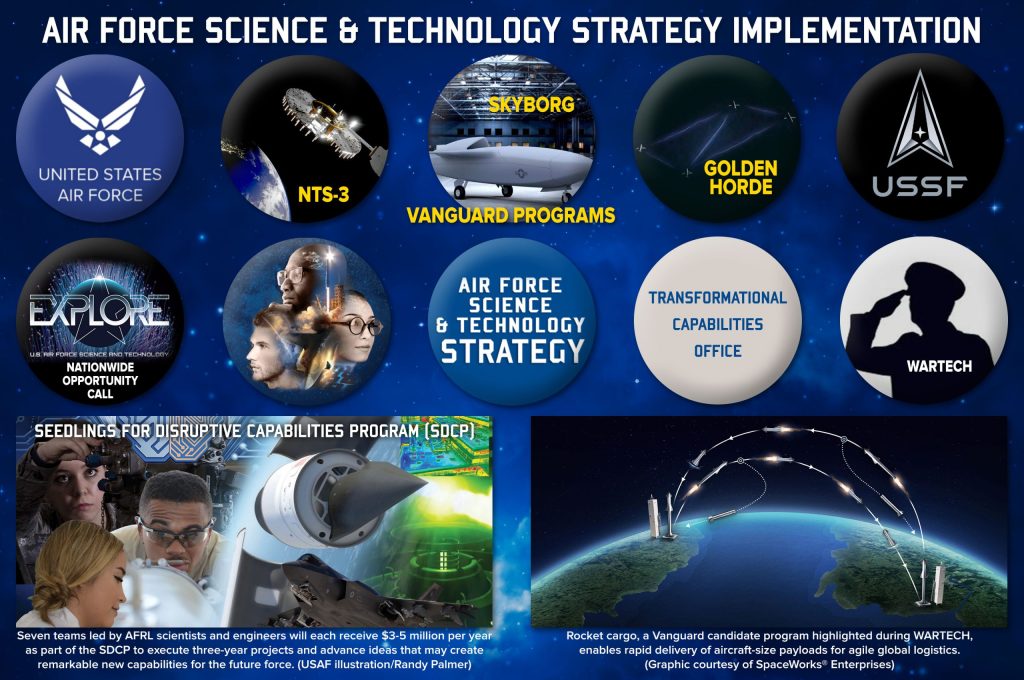
U.S. Air Force Research Laboratory (AFRL) Commander and Technology Executive Officer Brig. Gen. Heather Pringle announced September 11 that the…
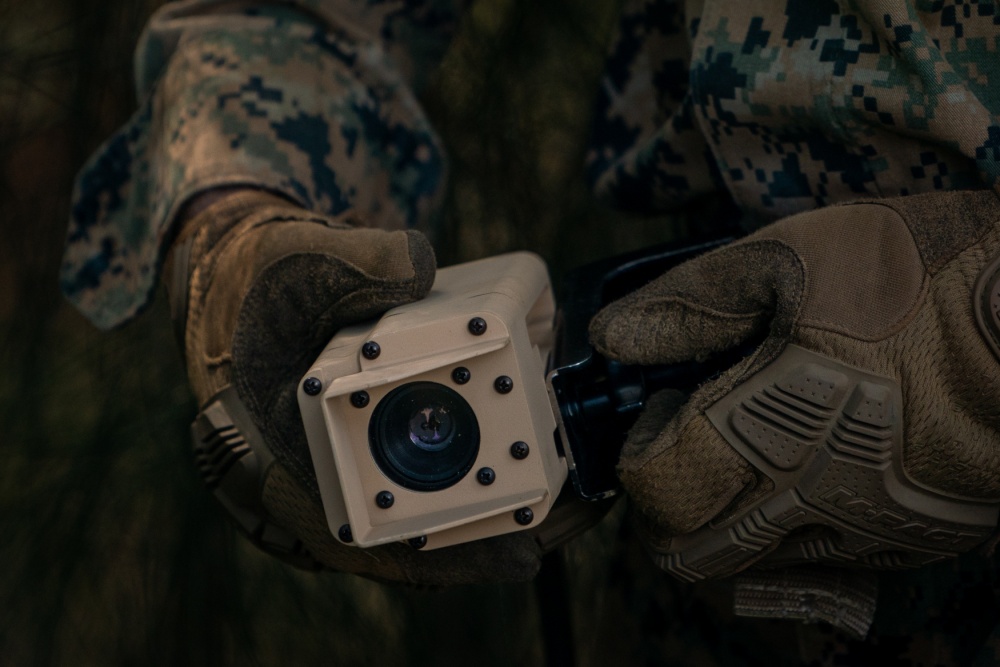
1. Introduction For U.S. Department of Defense (DoD) directed-energy applications, nonintrusive electric and magnetic field probes can solve several technical…

SUMMARY This article investigates the physics principles that govern the effects of type, smoothness, and surface structure of materials on…

INTRODUCTION The proliferation of an unmanned aircraft/aerial system (UAS) spreads beyond military and remote control (R/C) hobbyist markets in the…
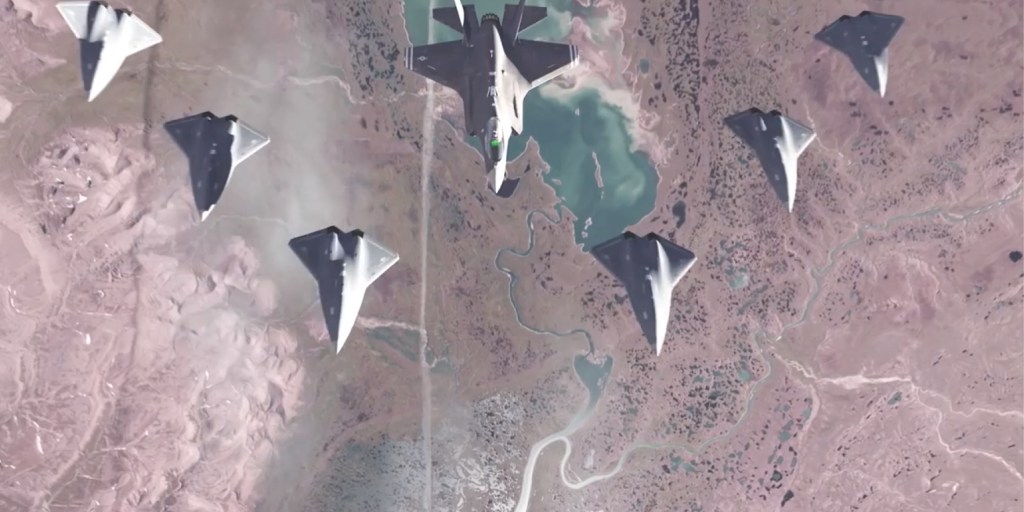
SUMMARY Do we design autonomous systems or systems with autonomy? This question will be explored and developed by first understanding…

INTRODUCTION The future battlefield will be highly complex and congested. The electromagnetic (EM) environment will consist of a complicated mix…
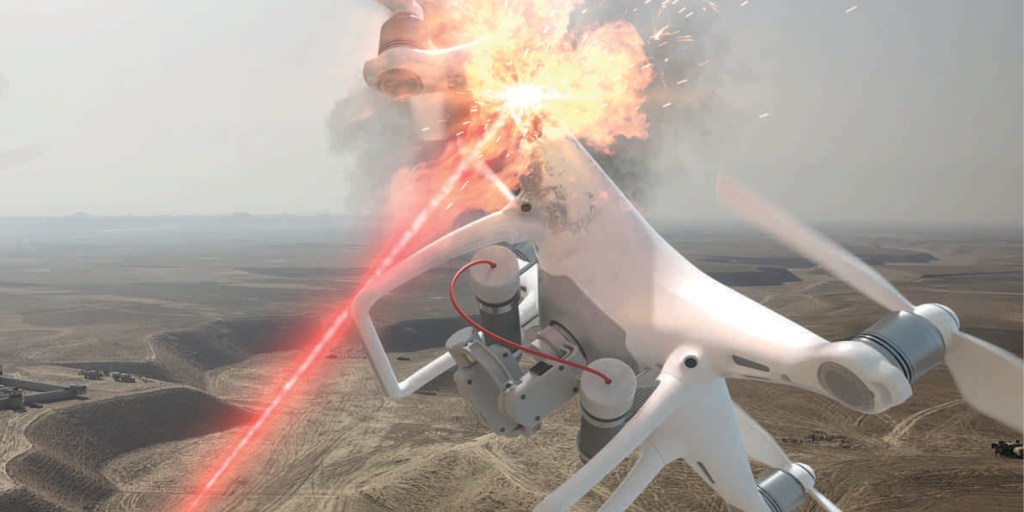
INTRODUCTION The recent emergence of small unmanned aerial systems (sUAS) into a broad sphere of commercialized applications has caused proliferation…

INTRODUCTION Hydrodynamic ram (HRAM) occurs when a fluid-filled enclosure is penetrated with a high-velocity projectile. A classic case, and common…

For the first time, the Defense Department and the entire federal government will have access to secure, trusted, and American-made…

REDSTONE ARSENAL, Ala. – A U.S. Army Space and Missile Defense Command (USASMDC) team helps the Army put a dagger…

Boasting the highest melting and boiling points of all known elements, tungsten has become a popular choice for applications involving…
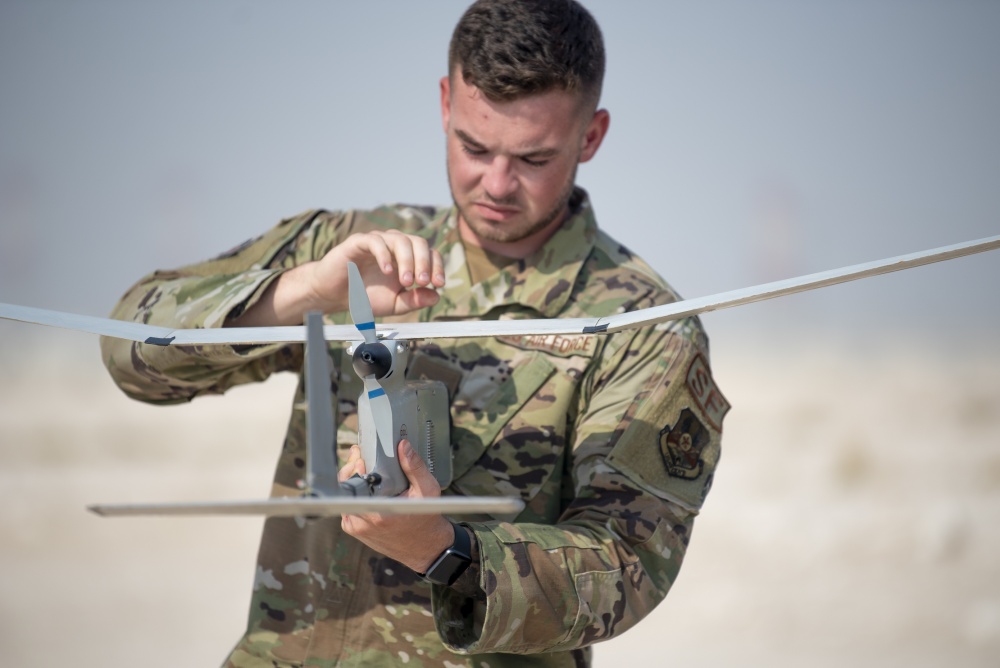
ADELPHI, Md. — Imagine a small aerial drone navigating a field with electrical power lines. How will it see them? More importantly, how…