Threat Weapons & Effects (TWE) Training 2026
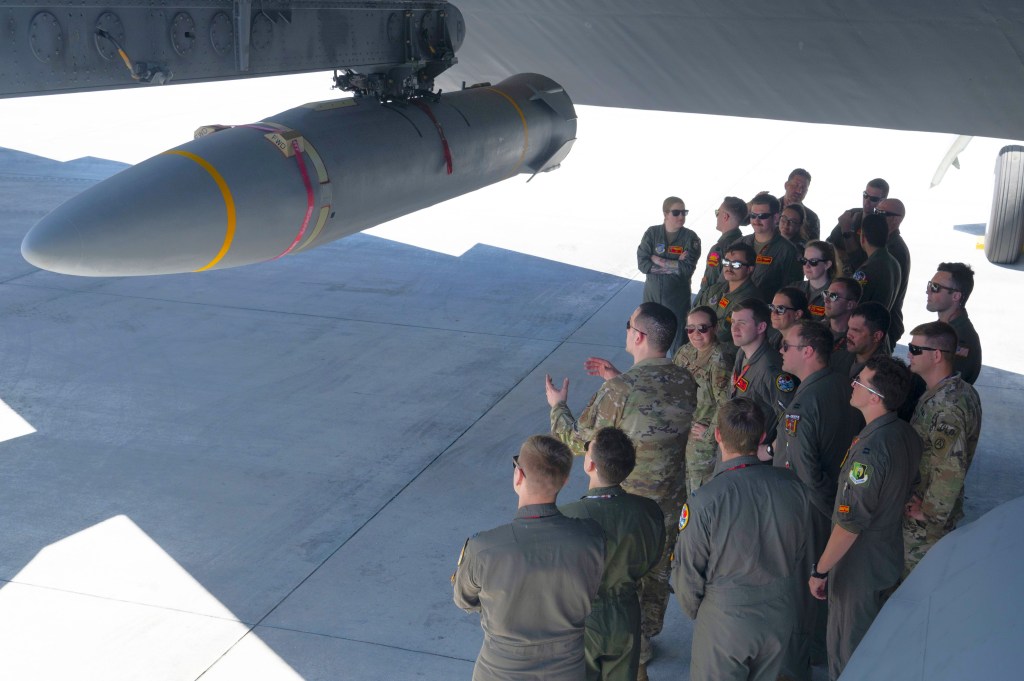
This annual training event is a collaborative effort and draws information from threat exploitation, live fire testing, and combat experience to provide a complete picture of threat lethality.
The Joint Aircraft Survivability (JAS) Program Office will host the 2024 JAS Program Review (JPR) at the GTRI Conference Center on 24-26 September 2024. The purpose of the review is to facilitate aviation survivability dialogue between the science and technology, acquisition, industry, academic, and operational communities. This will be achieved by presenting a technical overview of the program and fiscal year 2024 (FY24) projects and informing the aviation community of the work involved.
CLICK HERE TO LEARN MORE AND REGISTER: https://dsiac.org/events/fy24-jas-program-review-jpr/
This annual training event is a collaborative effort and draws information from threat exploitation, live fire testing, and combat experience to provide a complete picture of threat lethality.
The purpose of this recurring meeting is to provide model users, managers, stakeholders, and other interested individuals with the latest information regarding JASP-sponsored modeling and simulation (M&S) tools, as well as others, used by the aircraft survivability community to evaluate aircraft performance in realistic threat environments.
DSIAC is pleased to announce that the next Aircraft Combat Survivability Short Course will be held 2-4 June 2026 at Pratt & Whitney in East Hartford, CT. This three-day short course in aircraft combat survivability is designed to provide an overview of the aircraft combat survivability discipline. The course is intended for U.S. Department of…
Registration deadline for the High-Speed/Hypersonic (HSH) Subarea of the Air Platforms Community of Interest Technical Roadmap Interchange Meeting (TRIM) has been extended to March 10, 2026.
This four-day Military Standard 810 (MIL-STD 810) training focuses on the purpose of each test, the equipment required to perform each test, and the methodology to correctly apply the specified test environments. This class applies to ANY testing done to environmental test standards, including DO-160, IEC specifications, and all other documents that provide test methodology…
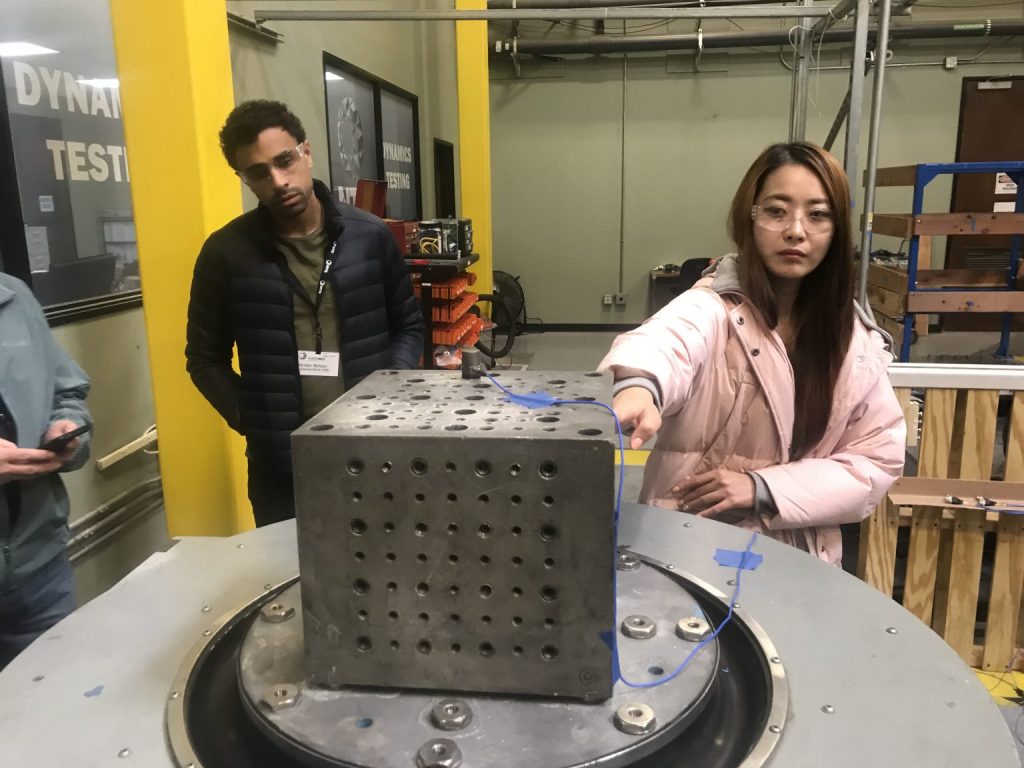
This three-day training in the fundamentals of random vibration and shock testing covers all the information required to plan, perform, and interpret the results of all types of dynamic testing. Some of the additional areas covered are fixture design, field data measurement and interpretation, evolution of test standards, and HALT/HASS processes. This class applies to…
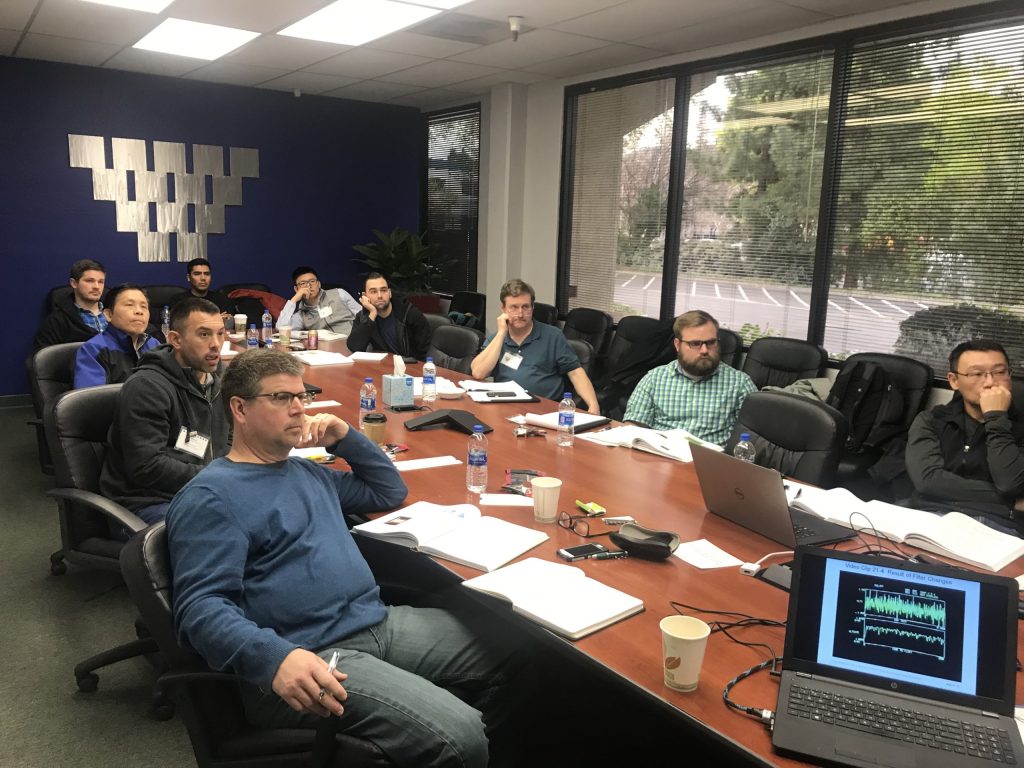
This four-day Military Standard 810 (MIL-STD 810) training focuses on the purpose of each test, the equipment required to perform each test, and the methodology to correctly apply the specified test environments. This class applies to ANY testing done to environmental test standards, including DO-160, IEC specifications, and all other documents that provide test methodology…
The DSIAC Journal is a publication of the Defense Systems Information Analysis Center (DSIAC). DSIAC is a DoD Information Analysis Center (IAC) sponsored by the Defense Technical Information Center (DTIC) with policy oversight provided by the Office of the Under Secretary of Defense (OUSD) for Research and Engineering (R&E). DSIAC is operated by the SURVICE…
This article presents a standardized technique to evaluate the navigation performance (position, velocity, and principal axes) of an airborne system and develop an efficient methodology to define the number of target data points to process during the planning phases of testing.
The Defense Systems Information Analysis Center (DSIAC) was asked to investigate China’s satellite industry. Key questions addressed included the current number of Chinese satellites in Earth orbit, the technical specifications of China’s military and civilian satellites, China’s satellite manufacturing capabilities, major organizations involved in China’s satellite production, and the Chinese government’s funding and development priorities for its satellite industry. DSIAC staff addressed these questions by…
Hosted by: Laurence Mutuel, Ph.D.
August 21, 2024 12:00 pmAs the safety functional authority for fielding materiel solutions, the U.S. Army Aviation and Missile Command’s Safety Office uses risk management to certify that materiel is safe when used as intended. While risk assessment processes tolerate software acquisition modernization and the introduction of new technologies, the techniques and criteria need adaptation. Software systems’ evolution in…
The Joint Aircraft Survivability (JAS) Program Office will host the 2024 JAS Program Review (JPR) at the GTRI Conference Center on 24-26 September 2024. The purpose of the review is to facilitate aviation survivability dialogue…
The 2024 Aircraft Survivability Symposium is a SECRET//NOFORN event; attendees must hold at least a Secret clearance and be U.S. citizens. Please review the security clearance and gate access information page when available and submit…
The U.S. Department of Defense Steels Summit brings together the defense, government, industry, and academic communities engaged in the production, use, and research of steel alloys relevant to military applications. The summit is a 2-day…
Director of Business Development and Strategy, BAE Systems’ Ordnance Systems, Inc. (OSI)
Brian Lindamood joined BAE Systems after a 30-year career in the U.S. Army. His Army assignments included commanding an ammunition plant and working as an industrial base planner. In his current position, he has been an integral part of OSI’s successes at Holston and Radford Army Ammunition Plants. His background includes strategy development, ammunition and energetics manufacturing, facility modernization, and facility sustainment.
The Latest From the Defense Systems Information Analysis Center (DSIAC)