Hypersonic Vehicle and Weapons Research and Development (R&D) Agencies and Programs
What is the latest in hypersonics vehicle and weapon system research and development?


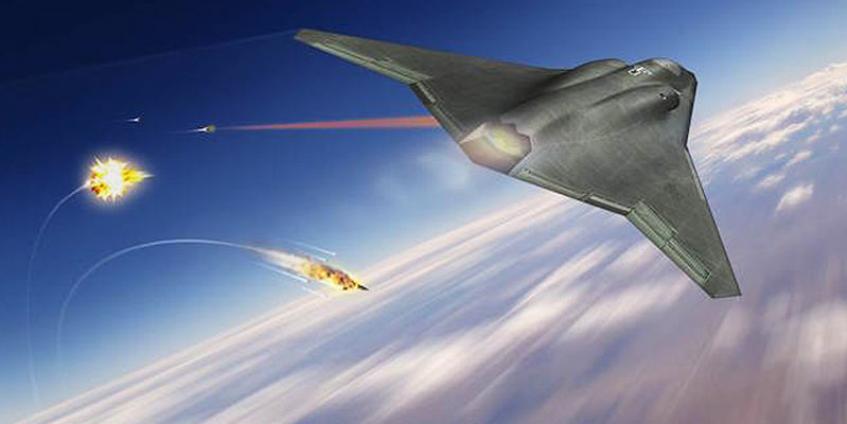
Ground, air, or sea-launched kinetic munitions that utilize onboard sensors, algorithms, and control methods to improve estimates on the target state, understand the implications of the engagement situation/environment, or develop engagement geometries that are otherwise unavailable
to a conventional weapon.
What is the latest in hypersonics vehicle and weapon system research and development?

How can neuromorphic computing be applicable to UAS navigation and sensing?
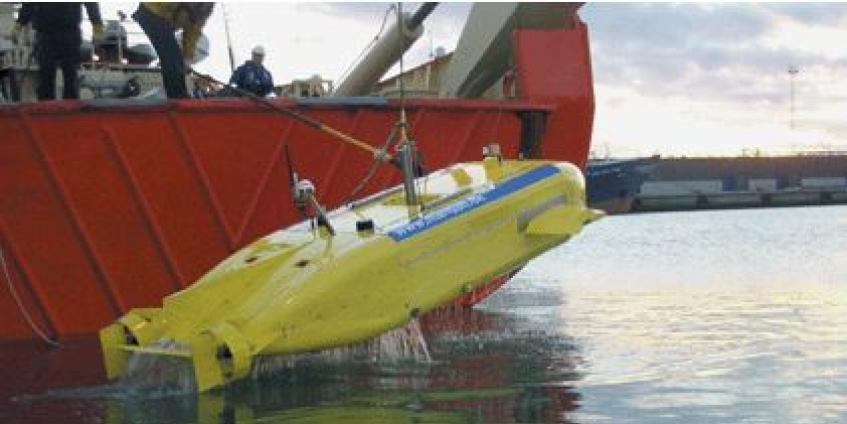
What are some examples of applications of autonomy in the commercial sector that might be good candidates for implementation/deployment in naval enterprises?

Amidst the crashing surf of a remote coastline, two U.S. Navy sailors clad in black wetsuits and protective helmets carry the MK18 Mod 1 Swordfish unmanned underwater vehicle (UUV) toward the open ocean
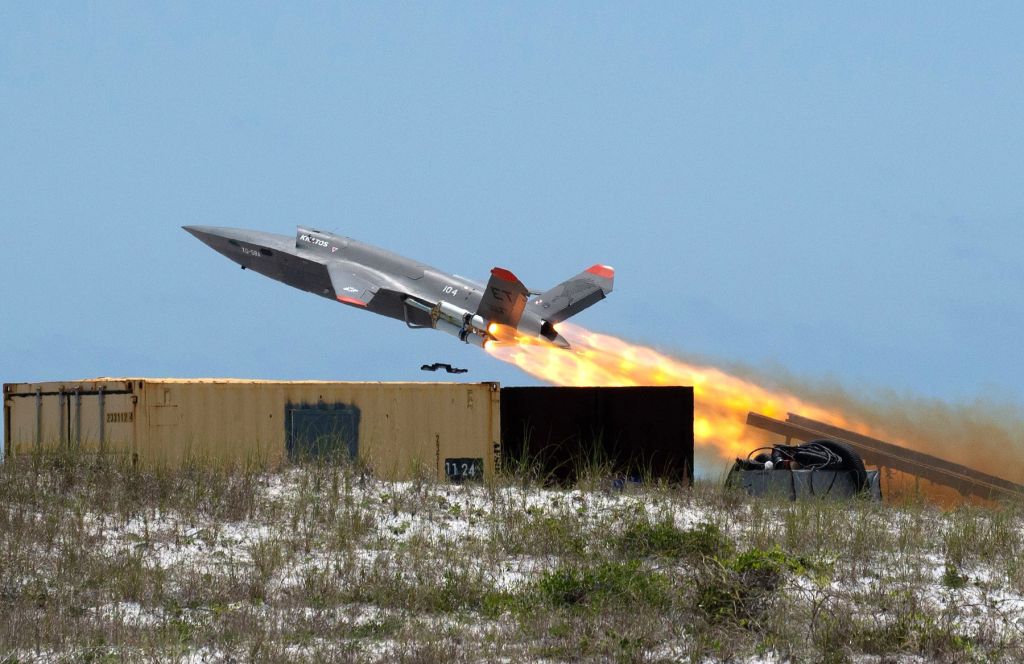
EGLIN AIR FORCE BASE, Fla. – The U.S. Air Force recently demonstrated a major leap in human-machine teaming, flying autonomous collaborative platforms (ACPs) alongside crewed fighter aircraft during a training event at Eglin Air Force…
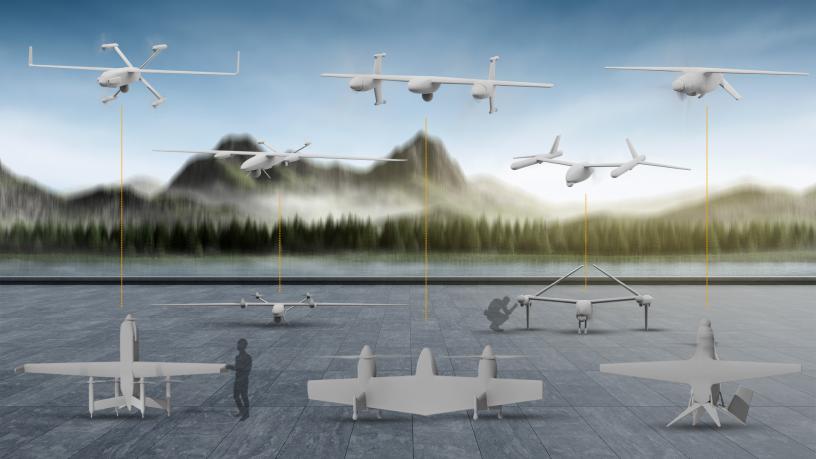
Five cutting-edge unmanned aerial systems (UASs) are slated to begin flight testing later to highlight the versatility of vertical take-off and landing for UASs weighing less than 330 pounds. The vertical take-off and landing (VTOL)…
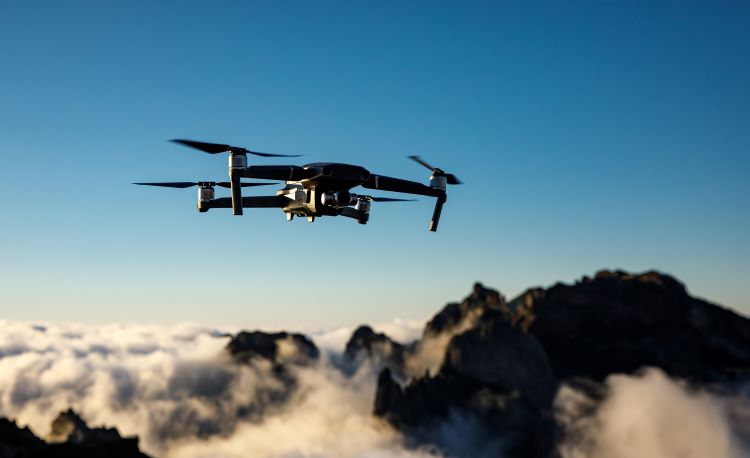
Automated Impacts Routing (AIR) is a software system that uses a modified version of the A* algorithm by including environmental (atmosphere/terrain) effects coupled with shortest path calculations. It allows best and second-best path solutions as…
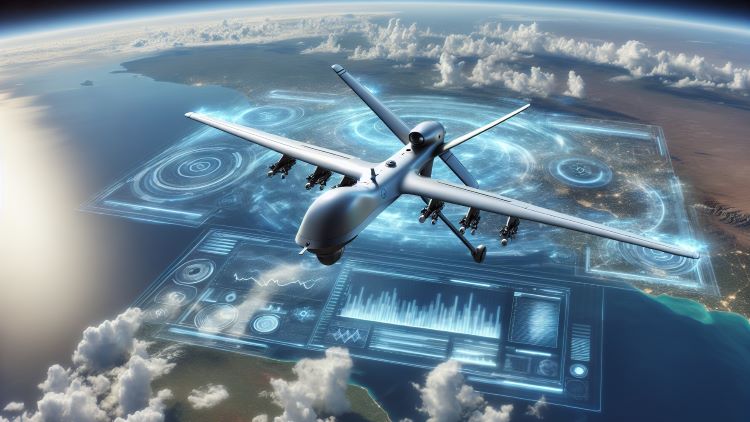
Air domain operations are critical to the U.S. military defense strategy. Military air domain missions use aircraft for tasks like attack; resupply; rescue; intelligence, surveillance, and reconnaissance; etc. Historically, air domain missions required manned aircraft,…
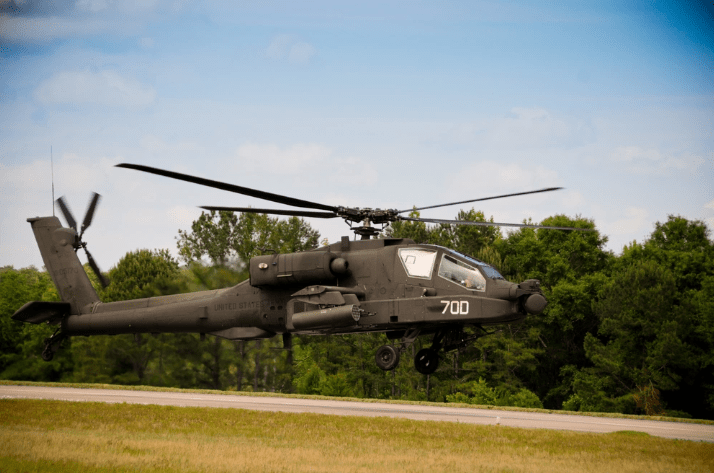
As the safety functional authority for fielding materiel solutions, the U.S. Army Aviation and Missile Command’s Safety Office uses risk management to certify that materiel is safe when used as intended. While risk assessment processes…
This annual training event is a collaborative effort and draws information from threat exploitation, live fire testing, and combat experience to provide a complete picture of threat lethality.
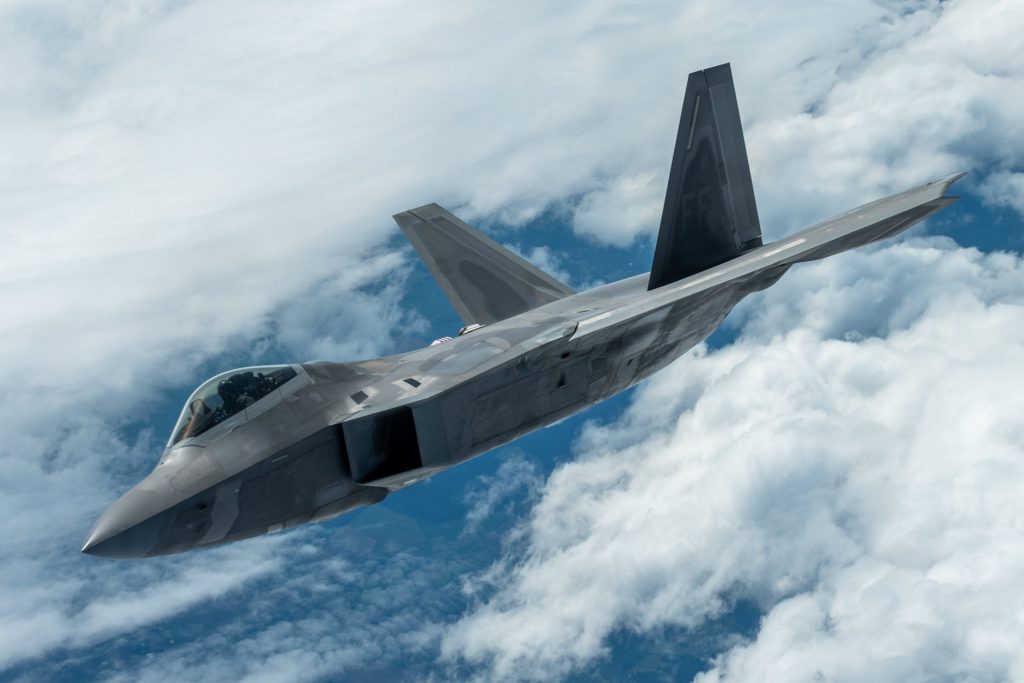
The purpose of this recurring meeting is to provide model users, managers, stakeholders, and other interested individuals with the latest information regarding JASP-sponsored modeling and simulation (M&S) tools, as well as others, used by the aircraft survivability community to evaluate aircraft performance in realistic threat environments.
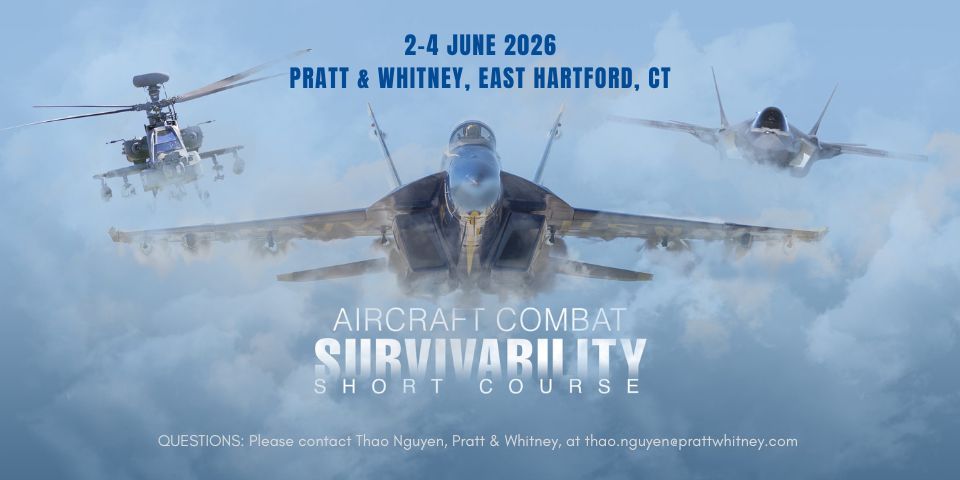
DSIAC is pleased to announce that the next Aircraft Combat Survivability Short Course will be held 2-4 June 2026 at Pratt & Whitney in East Hartford, CT. This three-day short course in aircraft combat survivability…